
Brand Perception: How Feelings Shape a Brand

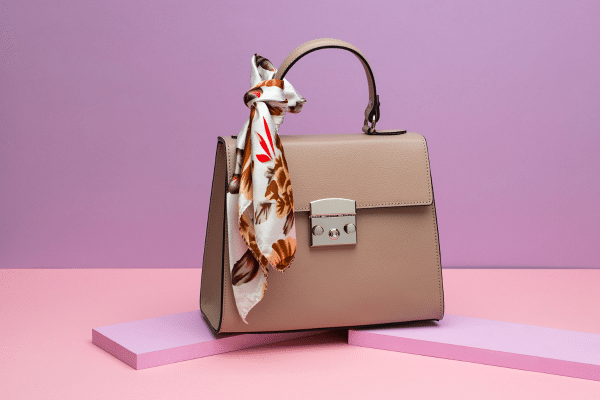
While I was on a break for the holidays in 2024, I watched many YouTube videos, and among those was one from a luxury beauty content creator who talked about the underconsumption trend that is gaining traction on social media. The video caught my attention when the creator suddenly dropped this comment: “A YSL bag is not seen the same way as a Chanel or Hermès one, and that’s just how it is.” This left me wondering, “What’s the difference?” “How do people’s perceptions reach that point?” As someone who doesn’t consume luxury brands, they’re all the same to me.
But we can apply these questions to brands in other industries: “What are the nuances that shape people’s perception of brands in the same niche like Nike or Adidas, or Samsung, Huawei, Xiaomi and Apple?” “What separates a luxury brand from a ‘prestige’ one?” We’re going to dive into the ins and outs of brand perception, understand how customers’ beliefs and feelings towards a brand came to be, and see how small businesses can help shape how customers perceive their brand.
What’s Brand Perception?
In plain words, brand perception is what people believe a product or service stands for and what it makes them feel, regardless of what the company says about its purpose and usage. Brand perception is shaped by the consumer’s experience with the brand, including the use of the products or services, word-of-mouth recommendations, conversations about the brand with friends and family, online reviews, the overall reputation of the brand and, more recently, what social media influencers say about the brand.
Brand perception is a key element of brand equity: the value the brand name adds to a product or service beyond its functional benefits. Following this definition, YSL may not have the same brand equity as Chanel and Hermès, and that’s why luxury brand enthusiasts see them differently. But it is more than that: how we perceive brands is deeply rooted in our emotions and brains.
Neuroscience and Brand Perception
Our brains are pattern-driven, and they always actively work to create new patterns whenever we encounter new information and face different situations; that’s what neuroscience calls a mental model: the frameworks your brain produces for you to make sense of the world. Mental models are shaped by our senses, personal experiences, beliefs, culture and religion, education and upbringing, emotions, surroundings (including physical location and family, friends and peers), media and even the historical context we live in and the language we use.
A brand can also be seen as a mental model because whenever you encounter a new one and start using its products or services (or constantly hear about it on social media), you form an opinion about it based on your experience and the other factors that shape our mental models, hence creating your perception of the brand that affects your opinions, enjoyment, emotional connections, engagement and more, just by the brand name alone. Here are some studies that illustrate the link between our brains and brand perception:
A 1993 study found that brand names influence consumers’ evaluations of products through perceived quality, brand associations, and loyalty.
A 2004 brain-imaging study revealed that knowledge of very similar brands (for example, Nike vs. Adidas, Coca-Cola vs. Pepsi in the study, or the YSL vs. Chanel I mentioned at the beginning) activated the medial prefrontal cortex, a region of the brain critical for guiding behaviour and decision-making. This demonstrates that brand perception affects our subjective preferences as consumers beyond sensory input.
The 2013 social media study found that these platforms enable consumers to shape brand perception through user-generated content and online reviews, making brand narratives less controllable by the brand itself. However, this fact doesn’t mean that brands can’t shape and have some degree of control over brand perception; more on that later.
It‘s not Luxury, it’s ✨Prestige✨
In October 2024, makeup brand Patrick Ta released their Major Dimension Eye Illusion Eyeshadow Duos, retailing at 42 USD. This launch caused some major controversy on social media due to the pricing of these eyeshadows in the context of a cost-of-living crisis in which most people are living paycheck to paycheck. The brand’s detractors argued that the brand was greedy and out of touch.

 Tiktok failed to load.
Enable 3rd party cookies or use another browser
The discussion regarding these eyeshadow duos got so heated that Patrick Ta himself appeared on TikTok and tried to defend the price, arguing that it was a product made in Italy and that it had 100% crushed pearls in its composition—all things that, according to him, made his product unique.
Whether the price is justified or not isn’t our topic of discussion, but rather the secondary discussion that surged from this launch. Many Patrick Ta supporters engaged in the debate, saying that the brand was luxury and that they were charging a luxury price; on the other hand, many people disagreed, saying that Patrick Ta was a prestige brand, not luxury.
So, what’s the difference? The line that separates luxury and prestige may be blurry, but it’s there: While prestige brands focus on innovation and customer fulfillment, luxury brands emphasize exclusivity, an elevated lifestyle perception, and heritage. This is why most brands that fall into the “luxury” category have decades in business in which they cultivated a reputation and, therefore, a perception that makes people feel lavish through their differentiated products and services.
I believe that Patrick Ta does fall into the prestige category because its products are sold at reputable retailers like Sephora and are known for their high quality. However, the brand has not been in business long enough to have the brand equity and tradition to be considered a luxury brand.
However, the desire of prestige brand users to live the deluxe experience luxury brands offer doesn’t stop at makeup, and the dupe culture has allowed the masses to glimpse the rich and famous lifestyle (sort of).
The Walmart “Birkin” for the Working Class
French luxury company Hermès had a humble start as a horse harness manufacturer before turning into a household name in the luxury industry with its handbags, including the famous Birkin, named in honour of the actress and singer Jane Birkin and initially designed by Hermès CEO Jean-Louis Dumas.
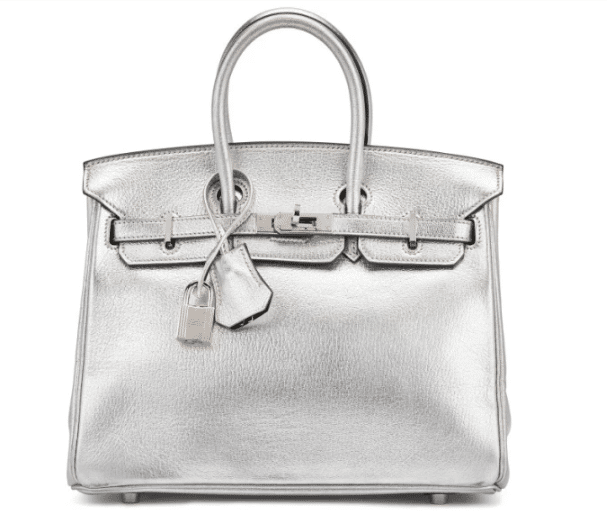
Birkins’ cost varies depending on the type of leather and other materials used, like this metallic one auctioned for $139,230 in 2022. (Sotheby’s)
I see this absurdly expensive tote bag as a leather bag, just like any other. But for its target audience—celebrities, ultra-wealthy people, and “nice things” lovers—it is a status symbol because the bag’s value goes beyond its price tag, starting at $10,400. The Birkins have limited production and arrive at Hermès stores on random schedules, and legend has it that there’s a long waitlist of people hoping to get their chance and snag one.
Needless to say, Hermès isn’t selling a bag; it sells an experience: It’s so hard to get and exclusive that the few people who can afford it (and actually get the “opportunity” to own it) feel part of an elite of “chosen ones” to carry a Birkin around. So, basically, you’d feel you made it in life.
What if I told you that you and I could also get a Birkin? Enter the Walmart Birkin, “Wirkin,” or the “Birkin for the Wirkin Class.” It was launched during the holiday season of 2024; it’s sold at 115 CAD (80 USD) and has a design suspiciously similar to the original Birkin.
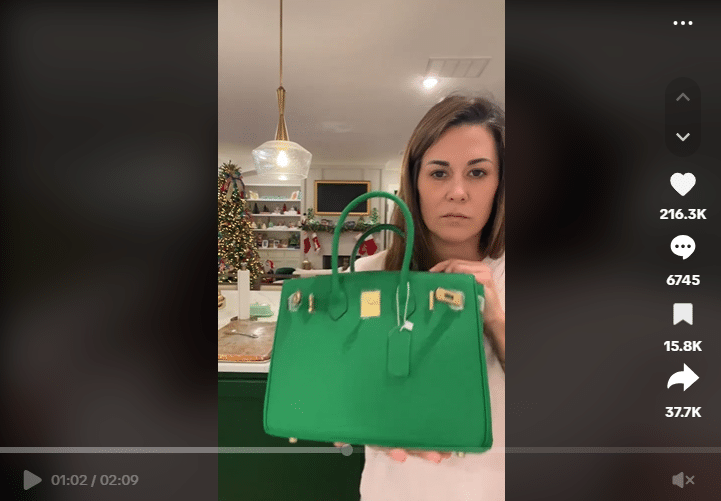
Walmart Birkin unboxing (@styledbykristi on Tiktok)
The arrival of this Birkin dupe has been a viral success and hasn’t been short on controversy. It has started a debate among luxury consumers who own a Birkin or value its status lore, people raising concerns about the waste that produces fast-fashion and dupe culture and others who value the “democratization” of the iconic bag and see the Birkin as “nothing special” that can be replicated for less money.
As you can probably tell, this is a debate of perception: none of these groups of people sees the Birkin and the Wirkin in the same way, and this is, putting ethical debates and brand “stanning” aside, is due to the brand equity Hermès has. The company has a long history of positioning itself as a status powerhouse that, people from their target audience or not, and whether they value the craftsmanship and artistry halo the Birkin has or not, they know that the Wirkin is based on a famous bag that humans have made it more than a bag, but an icon of wealth and style.
Your small business may be unrelated to Hermès’s niche, but aspiring to a brand perception like theirs is a good goal. Even though businesses don’t have full control of their brand’s perception once it’s out there, there are some practical steps to help shape it in the most convenient direction for their interests.
How to Help Shape Your Small Business Brand Perception
1 – Define a Clear Brand Identity
From your mission and vision to your visuals and communication style, a strong and cohesive brand is the first and most important step to stir people’s perception in your brand’s favour. We have covered small business branding in the blog extensively, and these are some good articles to help you start working on your branding:
By clearly defining the brand identity, businesses can build trust, ensure recognizability, and foster deeper connections with their audience. This foundational work also makes it easier to stand out in competitive markets.
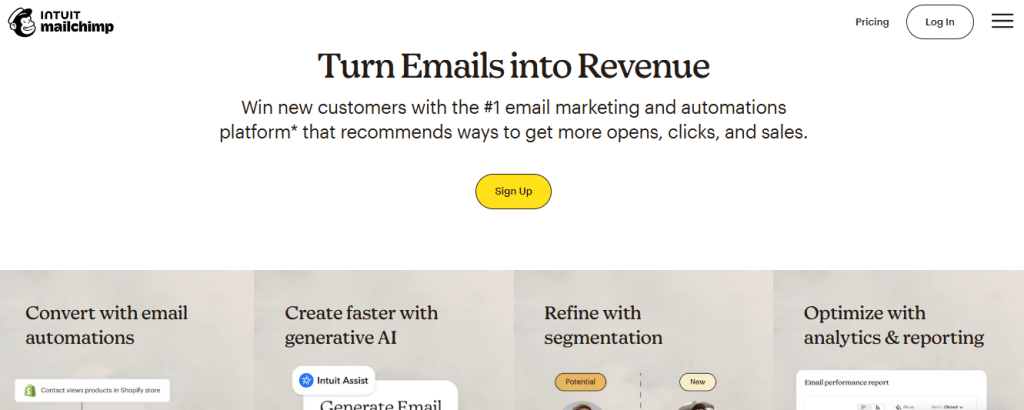
A good example of this is Mailchimp, an email marketing platform that targets small businesses and marketers who may feel intimidated by these types of tools. Mailchimp targets this audience with a quirky but professional tone and a user-friendly interface that feels approachable and less intimidating.
2 – Understand What Your Audience Wants
Closely related to branding work, understanding what your target audience looks for from a brand like yours and how you can meet their needs and expectations is essential to creating a tailored offering and messaging that resonates with them. Tools like competitor analysis, market research, and focus groups can help you get the insights you need to find market gaps, differentiate your brand, and shape your audience’s perception.
3 – Leverage Storytelling
Sharing your brand’s origin, mission, or stories about how it positively impacts your customers and your community is a great way to show its human side. It is also a powerful tool to make the brand more relatable, memorable, and trustworthy and to shape the public’s perception of it by creating an emotional connection, as Dove did with their “Real Beauty” campaign, which showcased authentic stories of women embracing their natural beauty.
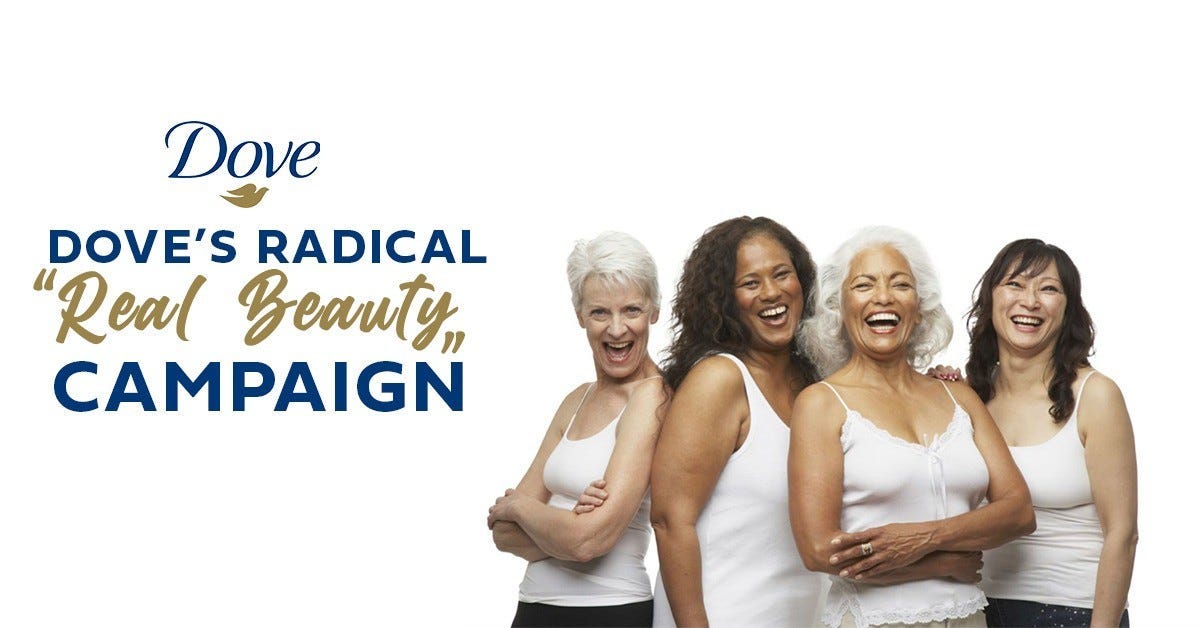
This campaign challenged the beauty standards often pushed in beauty industry advertising. It had a strong emotional driver and made Dove perceived as an inclusive brand that serves the needs of all women regardless of size, skin tone, or age.
4 – Deliver High-Quality Products or Services
This may seem like a no-brainer, but going above and beyond in customer fulfillment by offering high-quality products and services every single time a new or returning customer buys from you is a sure way to strengthen your brand equity and perception in the long run. By consistently exceeding your customers’ expectations, businesses can build trust, foster loyalty, and encourage positive word-of-mouth that will translate into a positive brand reputation.
To know which areas you can improve in your customer fulfillment pipeline, pay attention to the reviews and feedback you receive from customers to identify pain points and opportunities for upgrading. Another important aspect of improving your products and services is to focus on research and development. A notable example of how innovation and a focus on customer satisfaction set a business apart from its competitors is Tesla, which constantly updates its car software to improve user experience and offer new features, even after purchase.
5 – Track and Adjust
Like everything related to business and marketing, consistency and adaptability are key. Always pay attention to your customers’ sentiment towards your brand and offering, compare it with your brand’s ethos to verify they match, and adjust accordingly in all touchpoints, from visual identity and messaging to product quality and customer service. This will help you create a brand experience that will influence your audience’s perception of your business.
Is All a Matter of Perception
This Carl Jung quote perfectly summarizes what we discussed here: “It all depends on how we look at things, and not how they are in themselves.” All brands and products are entities and objects that gain meaning once the people behind the business shape its identity and the public interacts with them. With a holistic approach and consistency in mind, you can create a brand perception that aligns with your business goals.